


Students should stop to consider why the university celebrates Homecoming.
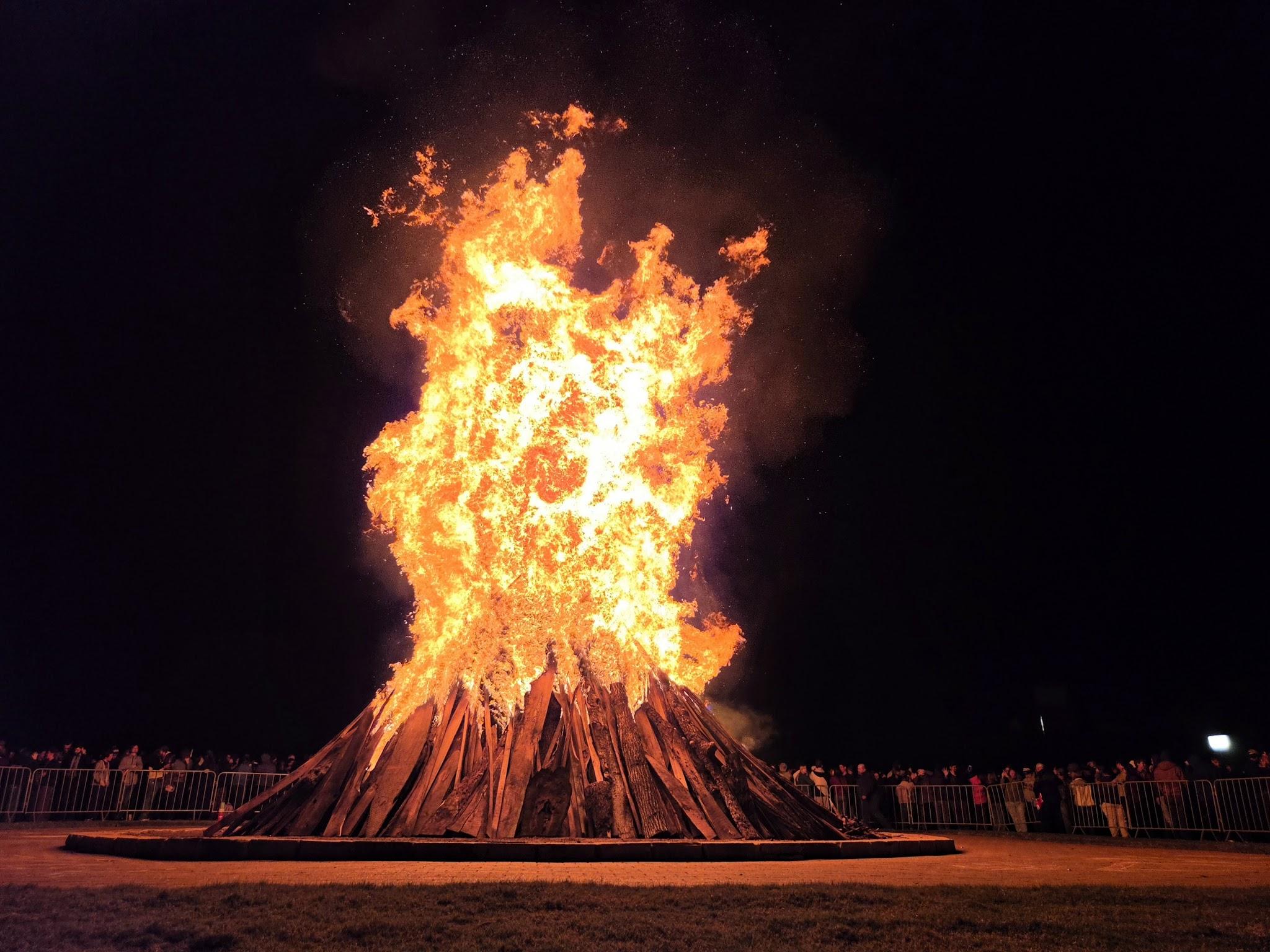
Homecoming at the University of Tulsa this year was spectacular. TU athletics went six for six throughout the week, not losing a single game. Students participated in fun activities such as street painting, Raging Cane and the famous bonfire tradition. Hundreds of community members and alumni joined students, faculty and staff in other Homecoming festivities, too. All in all, it was a great week for TU, especially considering the cold weather and later date of this year’s Homecoming. Beyond the festivities, however, homecoming should be considered critically — why exactly does the university want us to celebrate?
There is certainly a sense of community that homecoming fosters amongst the campus community. Universities tend to be a fragmented environment where students, faculty, staff and alumni have entirely different social circles that do not usually overlap. Homecoming offers an opportunity for these groups to unite under a shared affiliation to the university. The various traditions like the bonfire or football game create collective memories and experiences that students can share. For alumni, homecoming is an opportunity to come back to the place where they spent some of the most formative years of their lives. Junior media and communications major Alaynna Smith Williams spoke on this shared sense of community. “I think the purpose of homecoming is to bring students and alumni together. It works to showcase how great of a university we have, despite some of its flaws … it’s a moment of everyone coming together into one unit and realize that we are all connected through the university.”
Fostering a sense of community and belonging is not the only objective of homecoming. The university has incentives in making sure that the community feels emotionally invested in TU. Freshman nursing major Sydney Gebhart attended the bonfire and found the atmosphere exciting. “Students and alumni were very interested and enthused and I think they really liked the tradition of having the bonfire,” they said. Homecoming, given this emotional connection, is the perfect marketing campaign. It gives people an idealized version of college education — where students have school spirit and athletic programs succeed. “I think, honestly, the university emphasizes homecoming as of course a tradition, but it’s more importantly a way to get donations,” Gebhart explained. Prospective students get to see what TU is all about and current students are reminded of what being part of the community means. In this way, the university is selling an identity, which can then be used by the university for branding and materialist purposes. Smith Williams is the child of a TU alum and worked the Distinguished Alumni event. In describing the various events, she said, “Distinguished Alumni was a really good showcase of how amazing TU students and alumni are. … The events are not just spectacle or something to take pictures of. They are events that are crucial to the understanding of what this university is.” It is true that many TU alumni are remarkable people, and by showcasing that at a homecoming event, that success is then tied to the university’s brand.
There is, as with most institutions, an economic aspect to homecoming. The university does not invite alumni back to campus simply to engage in nostalgia — they are a source of donations and financial support for the university to count on. The uuniversity rekindles the emotional connection each year through Homecoming, keeping alumni loyal to TU, which can then allow the university to have a sustained financial apparatus.
Without a doubt, universities under the current neoliberal model have logical reasons for marketing themselves. However, understanding the purpose of homecoming gives us a more holistic view, which can help uncover how university’s interests do not always align with student’s. Oftentimes, universities hide behind pretty words about community and belonging in order to obfuscate the institutional objectives behind them. University education is meant to teach critical thinking and how to engage as a citizen — understanding the nuance behind events like homecoming is just one part of that education.
It is entirely different to celebrate a community versus the institution itself. The former means celebrating the people — students, faculty, alumni — that define TU’s character. The latter can lead to blind loyalty. Universities should be a place where students are taught to challenge the prevailing ideas and institutions of the era, but homecoming emphasizes values of unity, tradition and pride. There is not anything inherently wrong with these values, but they should not distract us from the critical engagement that is so crucial to higher education.
Students should go to the bonfire, participate in street painting and show up to the football games if they would like to, but they should do this while understanding the dual purposes of homecoming. They should also remember that being a community goes beyond one weekend. “There are so many other ways we can support the school or support our communities,” Gebhart said. In fact, a sense of attachment to the university should lead us to wish for it to be held accountable to its actions. The experiences associated with TU are real and deep, making Homecoming worth celebrating. Perhaps, though, we should think more deeply about what we are celebrating, because the best university community is one where people care about improving the university.