The hours for the Hurricane Market have drastically decreased this year.
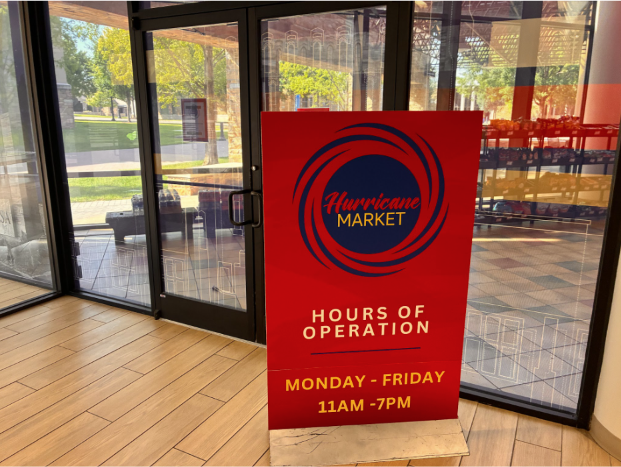
The Hurricane Market, closed, as is becoming more frequent. Noel Strange | Collegian
The year was 2025. All the upperclassmen were complaining about the new hours of the Hurricane Market, the University of Tulsa’s convenience store. They said it was dumb and outrageous, and hurt the store more than anybody else because it would mean less student purchases. It was, well, inconvenient.
The year is 2026. All the upperclassmen are complaining about the new hours of the Hurricane Market. Except this time it is not just due to the fact that it is no longer 24/7. Now, it is not even open on the weekends, and the hours have been pushed back two hours in each direction — instead of staying open from 9 a.m. to 9 p.m. every day, it is only open from 11 a.m. to 7 p.m.
The main question is why. The managers of the Hurricane Market were not available in their offices when I tried to interview them, so there is no official answer. However, considering the budget cuts last year and the promise of more to come, along with a large deficit of around $31 million that comes into play with the 2026 budget, it seems clear that in some way the lessening hours are tied to reducing costs. The problem is that this probably means that further budget cuts will happen across campus.
This reduction in hours at the Hurricane Market has not gone unnoticed by the student population. Charles Odegaard Jr, a sophomore, said that “it makes the campus feel more closed” and laments the fact that he never got to experience the Hurricane Market when it was 24/7. Especially considering that there “aren’t that many places to eat on campus … the university is saying that it can’t provide things for [us].” Certainly that has been the case for the last three years with the Hurricane Market.
What is more, from an economic standpoint, it does not make much sense; it would seem like the decrease in hours reduces the potential number of sales far more than they decrease the numbers of salaried hours a worker has to sit behind the checkout counter. In other words, the Hurricane Market is likely to be losing potential customers and sales by closing early. And certainly there is the danger of losing the trust of the student base by not being open when students actually want to make purchases — like when a student finally realizes, at 11 pm, that the test they are studying for is going to require an all-nighter. If trust is lost between the students and the Hurricane Market, then even reverting the hours back to a 24/7 schedule might not be enough to counteract that lack of desire to shop there.
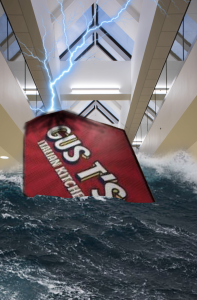
The economic problems are besides the point, however, as the main concern is not the present change regarding the Hurricane Market, but what will come next. Even though the experience is way less cool, and the options much more limited, there are still vending machines scattered across campus. But the fear, and seeming probability, is that this does not bode well for other amenities all across campus. The Hurricane Book Program is being phased out, and already students only receive their books as rentals. Gus T, for all the bad pizza it made, was the only place other than Subway open late on Sundays and is now gone. What’s next? The Honors College? The founding fathers of that program have already been pushed out the door, despite the program bringing in many students (and therefore much money). Will other majors or degrees make way to accommodate the new AI degree announced last year?
What the university has to understand is that college, especially at the undergraduate level, is more a game of cost and amenities rather than high-level education. This is to say that the University of Tulsa will not survive by claiming to be a top-level educational and research institution, all the while taking away all the nice things on campus. Even that distinction as a university of regard is in danger after the administration backed away from many of the hefty scholarships that allowed bright and talented students to attend Tulsa for very little (or nothing) despite the high sticker price, like the National Merit Scholarship.
There may be a very serious and dangerous deficit that necessitates large budget cuts to all sorts of amenities, although in the opinion of this writer, the board has not been transparent enough to allow the grace of that assumption. Even in that case, taking away all of the things that actual students love — people that pay, mind you, and hopefully go on to give the University of Tulsa a legacy of creating success — is only going to make the situation worse. It would seem clear enough that if the resentment keeps building up among the students, there will be some form of retaliation, either in mass exodus or protest on campus. To close: it may well be the case that the university is unable to affordably provide the amenities that previous classes enjoyed, and facts should always take a part in tempering indignation. But resentment plays more on feeling than fact, and the feeling is that students now are being left with the dregs.