

Sudden implementation of a 50 cent “convenience fee” baffles and upsets many who were unaware of the change.
Starting this year, the University of Tulsa began charging its students a 50 cent “convenience fee” for every meal trade used from their meal plan. The Collegian contacted administration for information about this alteration but received no response. The lack of an explanation as well as the absence of any kind of warning for the students causes the change to feel sudden and unprompted. This, along with the notable inconsistency of this fee, has also led to confusion over what it even is, why it exists now and what it applies to.
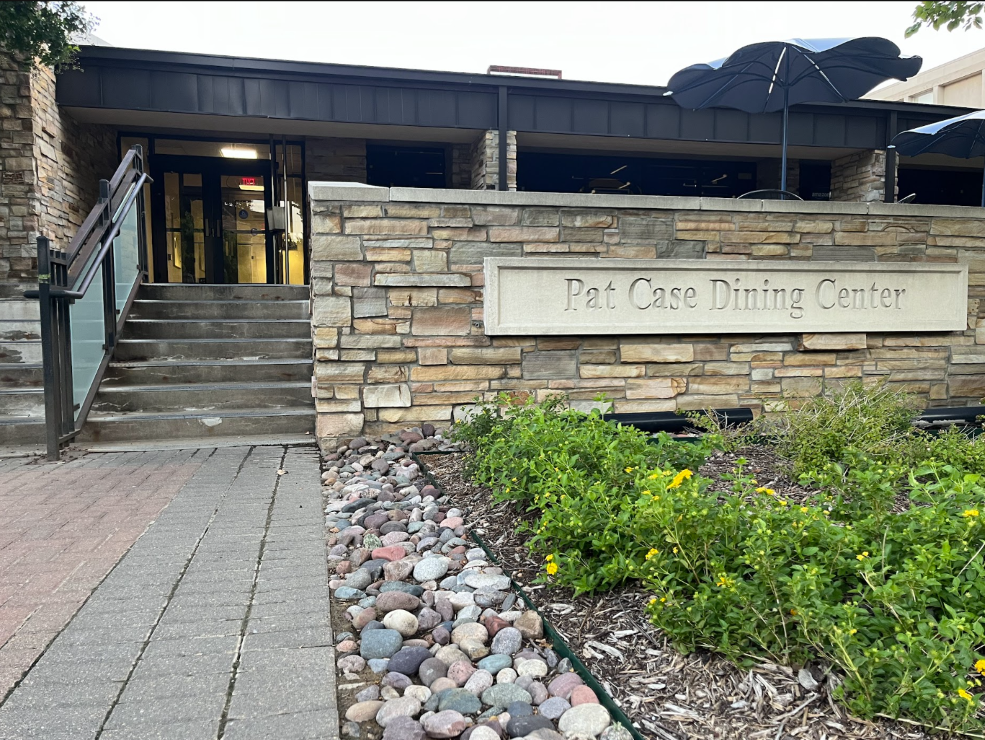
Meal trade and meal swipes are separate currencies, though they both come from the same part of the meal plan. A meal swipe is used exclusively at Pat Case Dining Center, and these are not charged the new convenience fee. On the other hand, meal trades are used at every restaurant in the Allen Chapman Student Union, and these are what the new policy targets.
The only place this new policy can be found is on the Meal Plans information page of the TU website. Even then, the whole update consists of just two sentences thrown under the price table, something easily missed even when scanning the entire page. No official announcement was ever made, nor did students receive so much as an email prior to the semester starting. Upon being asked for her thoughts on this new policy, sophomore Elizabeth Bivins did not even know that it existed. “I don’t like that. Why should I pay to pay for my food? I already paid for a dining plan.”
Initially a 50 cent fee may not seem like much in order to have Chick-fil-A or Subway instead of the Pat Case cafeteria food, but this frequent charge adds up fast. Students with a Tier 2 meal plan already pay $3,211 for just their meals, with dining dollars then adding up to $700 more to the cost. The school semester is just 16 weeks, so if all 12 meals are used every week then it is still about $16.72 for every meal, more than the value of most meal trades in the Union. The Tier 1 plan costs even more, with seven meals per week adding up to around $27.42 per meal — even more expensive than the all-you-can-eat buffet at Pat Case. Taking this new fee into account, 50 cents for 12 meal trades a week added up over the course of a semester totals $96 for food that is already being overcharged for. Even if someone eats half their meals at Pat Case, they are still spending around $50 of their dining dollars at the Union. When asked for his opinion on the new costs, sophomore Carter Wayne Greenfield said, “I am extremely not a fan of its presence. The meal trade should cover the charge of the meal; if there’s an unavoidable extra charge, then the meal trade is not getting me a meal. It’s not a meal trade.”
The lack of transparency shown by the university makes this new fee all the worse in students’ eyes. “I mean, I certainly would’ve appreciated knowing,” said Bivins when asked if having a proper announcement could have differed her opinion, “and I might be more understanding if I got an explanation.” The obscurity surrounding the reasoning behind the whole thing is also present in its implementation. Many students have yet to see any charges appear on their accounts, leading them to wonder whether this policy was not communicated with employees either, if a system has yet to be fully worked out or if students are being charged elsewhere. “I don’t realize I’m paying it,” stated Greenfield, “so I do not realize how it’s affecting my finances and I’m not able to plan around it, which is especially upsetting when budgeting dining dollars is so essential to ensuring that I have food to eat.”
It is unclear why this change was made or if TU will ever provide their students with an explanation, and it is unknown whether this is a permanent financial change students will have to account for or if it is a temporary way for the university to save money. Regardless, its implementation and even its presence as a whole are heavily flawed, leading to disapproval throughout the university.