
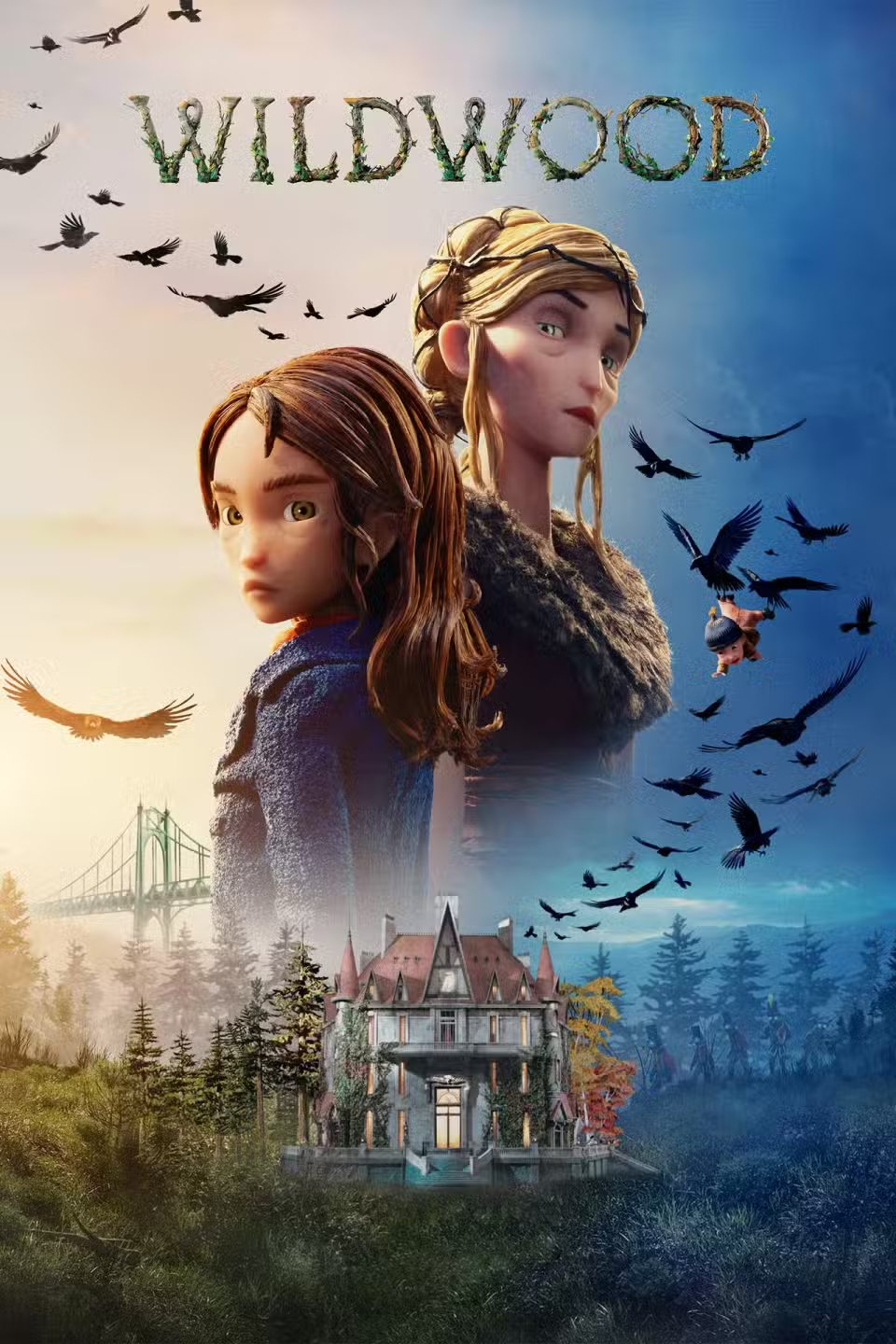
Wildwood’s stop-motion animation may soar to new heights, but its writing flies much closer to the ground.
“Wildwood” is the newest stop-motion animated film to come out of LAIKA Studios. It was adapted from Colin Meloy and Carson Ellis’ 2011 fantasy novel of the same name, and while it is an absolute pleasure to witness, the film is by no means flawless. For all the positives of Wildwood, its greatest strength is also the root of its biggest weakness.
First off, this movie is just so gosh-darn gorgeous. The animation is so fluid and seamless that several times I was awestruck as to how LAIKA’s team pulled something off. The limitations of their medium did not prevent the animators from having very dynamic and frenetic action scenes. The animation never feels static or stilted; in fact, perhaps too much so. When characters run or fly, there is a conspicuous feeling that they are not pushing against anything to accomplish movement. Their steps have too little friction, the flap of wings do not seem like they are going against the air in the right way. It is a minor quibble, to be sure, but one worth mentioning.
Much like the animation, the world and locale of “Wildwood” is stuffed to the brim with personality and whimsy. The story begins in Portland, Oregon, and it is clear that there was a lot of love, care and some good-natured snark put into depicting the city as well as its inhabitants; LAIKA is based there, after all. In turn, the woods are a visually stunning and diverse environment with dense wilderness, pastoral prairies, unsettling caves and bustling towns. The film takes viewers to many locations populated by many different groups of people, and it paints a watercolor-esque picture of the world, meaning a lot of impressions, but little detail. Many aspects of the world get touched on, but rarely are they explored or developed very deeply. “Wildwood” struck me as a “vibes-based” story, much like C.S. Lewis’ Narnia books (which the movie is clearly heavily influenced by). I believe that while watching “Wildwood,” it is important to not get bogged down on details and looking for explanations to certain world-building elements, because not having that answer is ultimately unimportant to the story and themes that the film is trying to communicate.
To that point, without going into spoilers, there are a lot of characters in this movie, and most of them fill stock archetypes of a generic fantasy story. “Wildwood” is not interested in innovating on these tropes, leading to a somewhat formulaic story. My theater companions stated that they felt dissatisfied because many of these characters lacked development or relevance after their introduction or purpose in the plot was fulfilled. I do not disagree, but I also did not find it to be a problem for my experience. The side characters of a story may not be particularly engaging, but they have personality and are fun to watch. The performances in this movie are excellent, and while I am not a fan of regular actors taking voice acting roles, I was quite satisfied with the acting quality on display here, especially from our leads.
The primary characters of ”Wildwood” fly much further than the secondary ones. Prue, Curtis and our lovely antagonist Alexandra are dynamic and interesting characters. Peyton Lee, voicing Prue, balanced moody angst with earnest compassion to create a solidly realistic-feeling depiction of a teenaged girl. Jacob Trembley, voicing Curtis, was just the right amount of nervous and eager to make watching him bounce off the much more fantastical characters fun without him being annoying or grating. The highlight was absolutely Carey Mulligan’s performance as the Dowager Governess Alexandra. Her voice was like a cool drink of water at 3 a.m., and every line she spoke was enthralling; her sanity and sincerity are constantly in question. I love a villain that knows exactly what she is and has long passed the point of caring.
For the most part, I found the characters’ arcs to be well-crafted, and while the context is fantastical, the core of their dilemmas are very relatable. Ultimately, “Wildwood” is a story about the need to be okay with letting go. Growing up means accepting that one cannot control or understand everything in their life, and clinging to mistakes and failures will only cause harm. People cannot shut out what they do not understand, cannot let their fear control them and they cannot be passive when threatened. There are also strong anti-war and anti-industrialization themes that were woven in very well.
The biggest flaw of “Wildwood” is its dialogue. A lot of it sounds awkward or odd; not sounding quite as natural. This is partially caused by the constraints of such intricate stop-motion animation. An awkward sounding line in any other film could maybe be fixed with a reshoot or inserting rerecorded dialogue through ADR (automated dialogue replacement), but since the modelling requires so much time to set up and execute, LAIKA needs much more justification to go through the hassle of redoing a scene. The other reason is that most of the characters within the magical woods have this “high-fantasy” sort of styling to their dialogue, though this does not apply to Prue or the other “real world” characters. Combine those factors together and some exchanges may take viewers out of their immersion. This is especially egregious with some of Prue’s lines, and while Lee does the best she can, it is difficult to act your way out of a bad line.
Though this may come across as a very critical review of this film, it really was enjoyable to watch. The movie is not an innovative story, but it supplements its adequate writing with excellent voice acting and incredible animation. If you are a fan of Narnia or vibes-based, high-fantasy, coming-of-age stories, then you will most likely enjoy “Wildwood.” Even if such stories are not your typical cup of tea, it is worth seeing this film simply because it is a stalwart testament to the power of dedication and human creativity.
★★★★☆
“Wildwood” receives 4/5 stars from this reviewer.