
Physical advertisements are becoming less valued than digital ones by students throughout the University of Tulsa.
The University of Tulsa has been pushing for greater release of advertisements digitally, but those attending the activities have started reflecting a preference for physical media. By having active, tangible reminders rather than screenshots that rot in one’s phone until two days after the event has ended, there is a possibility of raising student morale and engagement.
The University of Tulsa sends a weekly email entitled “TU Today” in an attempt to communicate future events with consistent reminders. Emails from the university quickly become spam to students that is inevitably ignored, especially when buried under emails from their professors or updates regarding grades. When trying to create an active and lively campus, advertising events through email has proven to be a chore that is more communication for fewer results.
Conversely, students have taken to drawing on the college pathways, which are actively utilized by students daily as they go in between their classes and dorms. Writing invitations to events in chalk brings the fun atmosphere plenty of people came to college for in the first place. Additionally, the sidewalk is unavoidable; many people walk similar pathways on days in which their schedule repeats, making messages recognizable and memorable for those who read them. The notion that another student took the time to write down a fun activity in chalk provides a more thoughtful approach than simple emails that easily become forgotten.
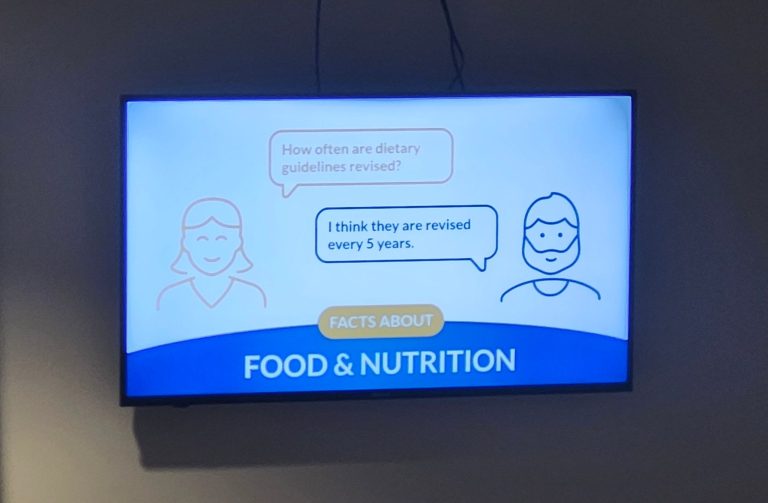
Digital reminders also lack certainty; not everyone has social media, and posting on social media does not guarantee people will see these events in the first place. While social media is convenient, it becomes impossible to reach another audience. TVs across campus cycle through upcoming activities across campus, which might act to accommodate those who do not use social media, but the large number of slides in these presentations often makes it easy to miss an event, leading to lower student turnout at activities advertised in such a way.
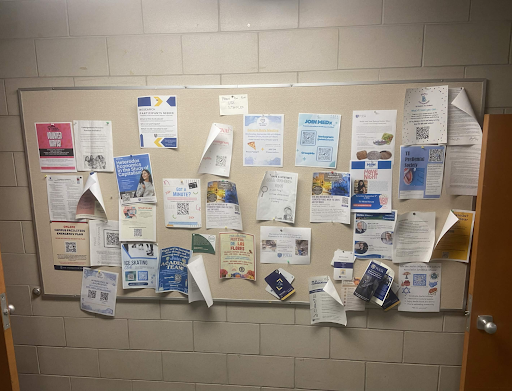
Posting fliers in busier locations also ensures that they are actually seen by students. When advertisements are pinned in buildings that are used by hundreds of students each day, it provides near guarantee of them being noticed, especially in stairwells and on cork boards outside of classrooms or lecture halls. Attention can then be garnered both in passing and otherwise, generally becoming an easier form of spreading information. Student areas having postings by other students further builds an atmosphere that is built off of organization, structure and community.
“… I am much more likely to catch a glimpse of a flyer while walking to class than I am to see a slide on one of the TVs,” said Skye Davis, a senior at the University of Tulsa. She and other students have been explaining that it becomes difficult to find events when posted online and that physical posters are more convenient to keep track of. Although they take more effort to produce and place around campus, the results are more active organizations and encouraged student engagement. A direct form of contact between students that they can physically hold onto becomes the necessary connection that builds community involvement.
While digital media becomes more and more convenient, the vitality of physical media remains. The convenience of online adverts make it useful, but the time, effort and tangibility of printed posters or written chalk are crucial to ensuring that individuals across the university can acknowledge and keep track of events in their community.