


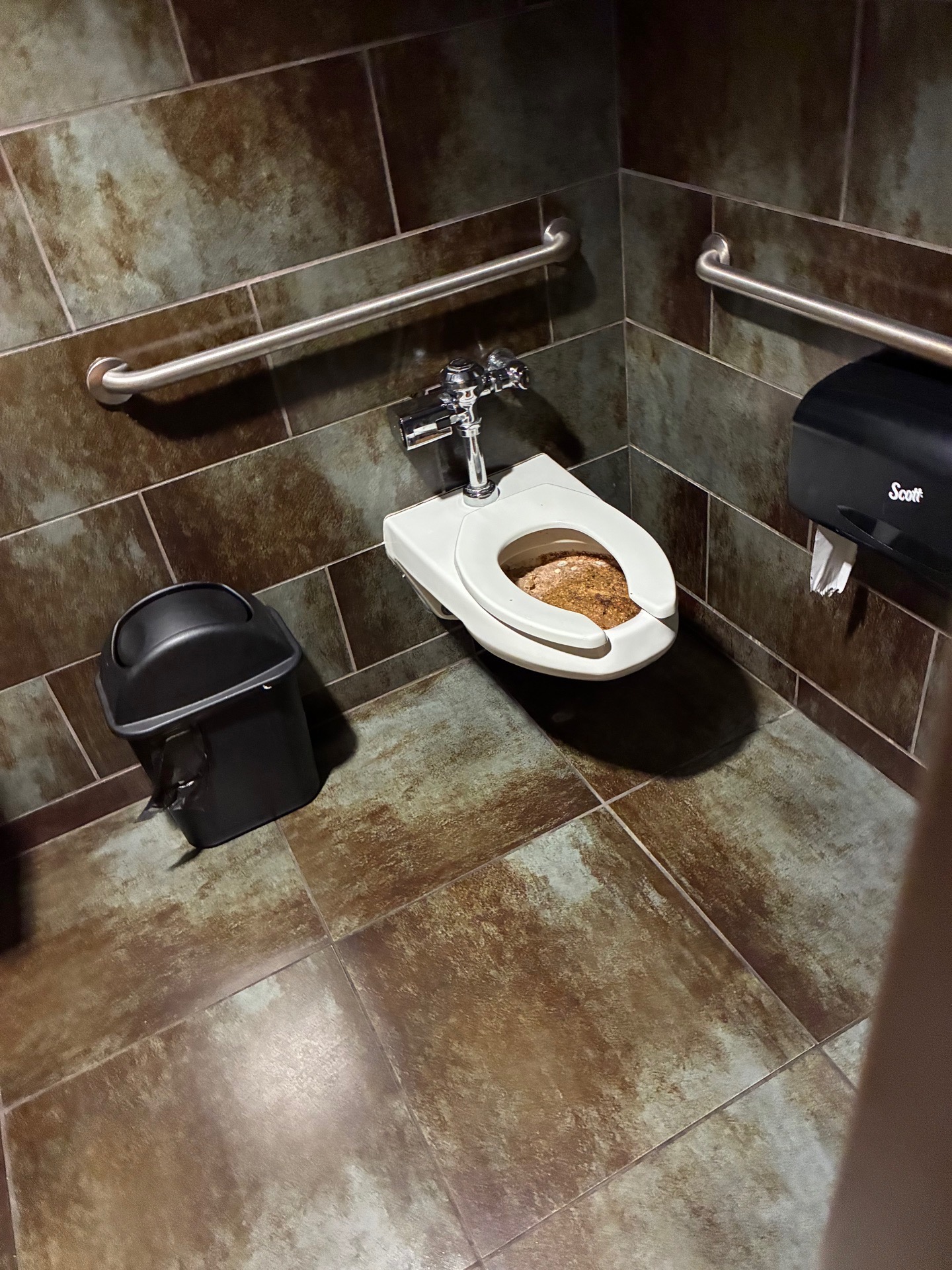
Residents of Fisher Suites have found themselves at the center of an escalating biological emergency after mold discovered throughout the residential complex raised questions about the university’s ability to maintain habitable student housing. What initially appeared to be an ordinary maintenance concern has since developed into what some residents are describing as a full-blown environmental catastrophe. Students have reportedly been forced to reconsider their living arrangements as the mold continues its expansion across the building.
According to an undisclosed report circulating among university officials, the mold has reached such extraordinary proportions that Fisher Suites may soon be declared an Environmental Protection Agency Superfund Site. Although the university has yet to acknowledge the severity of the situation, sources familiar with the investigation have suggested the building is no longer considered a traditional residential facility but rather an uncontrolled biological research environment. One unidentified facilities employee described the situation as “less of a maintenance problem and more of a scientific experiment in live action.”
The discovery has prompted speculation about the biological properties of the substance, with some students questioning whether the mold has developed into an independent ecosystem. Reports of discolored walls, suspicious odors and increasingly questionable living conditions have fueled concerns that the building has entered its final stages of residential viability. Several residents have begun referring to their rooms as “quarantine chambers,” while others have begun extensively monitoring the walls for signs of additional fungal development.
The university’s response has done nothing to alleviate student concerns. Rather than immediately declaring an emergency evacuation, administrators have begun exploring alternative methods of managing the situation, including increased ventilation, routine inspections and what one source described as “a more comprehensive approach to moisture management.” The proposed measures have left residents wondering whether the university intends to eliminate the mold or simply negotiate a peaceful coexistence with it.
Student reactions have ranged from extreme frustration to total disbelief. “I came here expecting a place to sleep, not to participate in a scientific experiment,” said one Fisher Suites resident who requested anonymity due to fear of university retaliation. “At this point, I don’t even know whether I’m paying for housing or contributing to a long-term mold cultivation program. I wouldn’t be surprised if the mold begins charging me rent.”
Other students have expressed concern about the possibility of being evicted from their rooms without adequate alternative accommodations. The prospect of relocating an entire residential population has raised questions about the university’s housing capacity, particularly as students struggle to identify available spaces elsewhere on campus. Several students have begun searching for temporary accommodations, while others have considered moving into nearby academic buildings under the assumption that their ventilation systems are marginally more trustworthy. Campus activity on Dietler Commons has already drawn to a halt, with the green space’s replacement by a shantytown known as “Fishville” abounding.
Meanwhile, academic departments have begun examining the potential repercussions of Fisher Suites’ environmental transformation. The Department of Biology has reportedly expressed interest in studying the mold’s resilience, with faculty members allegedly considering whether the organism could qualify as an independent life-form. A proposed research initiative, tentatively titled “Fungal Sovereignty: The Emergence of an Unregulated Ecosystem,” would investigate the mold’s ability to survive prolonged exposure to university maintenance procedures.
The Department of Political Science has also reportedly taken an interest in the situation, with faculty members debating whether the university’s response constitutes a failure of institutional governance. An emergency panel titled “From Residential Housing to Biological Occupation: The Fisher Suites Question” was allegedly proposed to examine the broader political implications of allowing an unidentified organism to establish control over university property.
The situation has also created an unexpected economic crisis among students. As concerns about Fisher Suites spread, rumors have emerged of an informal housing market in which dormitories are being advertised on Yik Yak as premium accommodations. Students have reportedly begun referring to moldless rooms as luxury residential properties, with some joking that a functioning ventilation system is now a greater indicator of wealth than scholarships. One student allegedly offered to trade an entire semester’s worth of meal swipes for a room with walls that did not appear to be undergoing decomposition.
When reached for comment, a university spokesperson expressed total confidence in the institution’s ability to manage the situation. “The University of Tulsa remains committed to providing students with a safe, comfortable and environmentally responsible residential experience,” the spokesperson said in a prerecorded statement. “While we recognize that certain environmental conditions may cause a temporary inconvenience, we encourage residents to appreciate the university’s ongoing commitment to sustainability. We are confident that Fisher Suites will continue to serve as an integral pillar of the campus residential community.” When asked whether students would be relocated or whether the university intended to directly address the mold, the spokesperson referred all further questions to the Department of Facilities Management.
Despite mounting concerns, the university has maintained its position that the situation remains under total control. Students, however, have continued questioning whether the building can reasonably be considered habitable. Resident assistants have begun purchasing protective equipment for their residents, including respiratory masks and industrial-strength cleaning supplies, while other students have begun documenting the mold’s growth through daily photographs. One especially concerned resident described the process as “like watching a nature documentary, except David Attenborough will never come to save me.”
At press time, The Collegian was unable to confirm whether Fisher Suites had officially been classified as a biological hazard. However, reports indicate the university has begun investigating the possibility of charging the mold for unauthorized occupancy, citing its refusal to vacate university premises.