Historic statement marks most information ever disclosed at once on presidential search.
In a shocking press release this Friday, the Board of Trustees at The University of Tulsa has broken their long-held silence on the process of selecting a new university president to succeed Brad Carson. Since the installation of interim president and Tim Robinson lookalike Rick Dickson, the board has disseminated little to no information on the candidates they are considering. The board’s second-most recent official statement came last fall asserted “it will almost certainly not be Kevin Hern, but only almost, but don’t worry about it.”
Since then, a series of non-disclosure agreements, locked doors, and confoundingly hard-to-wriggle-through HVAC systems have prevented The Collegian from gleaning any more insight on the process of finding someone smart enough to save the school but also unsuccessful enough to consider the job a step up. Until, that is, at 4:00 p.m. on Feb. 27, when the board released several pieces of crucial information on the incoming president, including a stock-sure confirmation that they will have both skin and teeth.
The board’s announcement, which was released on a sharepoint which requires a TU professor or adjunct’s Microsoft login, three CAPTCHA tests, and a digital signature to a contract written entirely in Wingdings, included the following passage:
“The University of Tulsa is proud to announce that after a short search, the list of presidential candidates has been narrowed down significantly. While exact names are not available at this time, students, alumni, staff and donors alike have been permitted to know that, per recent eliminations, all remaining candidates in the Board of Trustees’ rigorous and legal winnowing process will have a corporeal body, which will certainly contain things that are or very much appear to be the following: skin, blood, teeth, and cells. The non-corporeal aspect of the selection, i.e. the presence of a soul, is not at this time certain.”
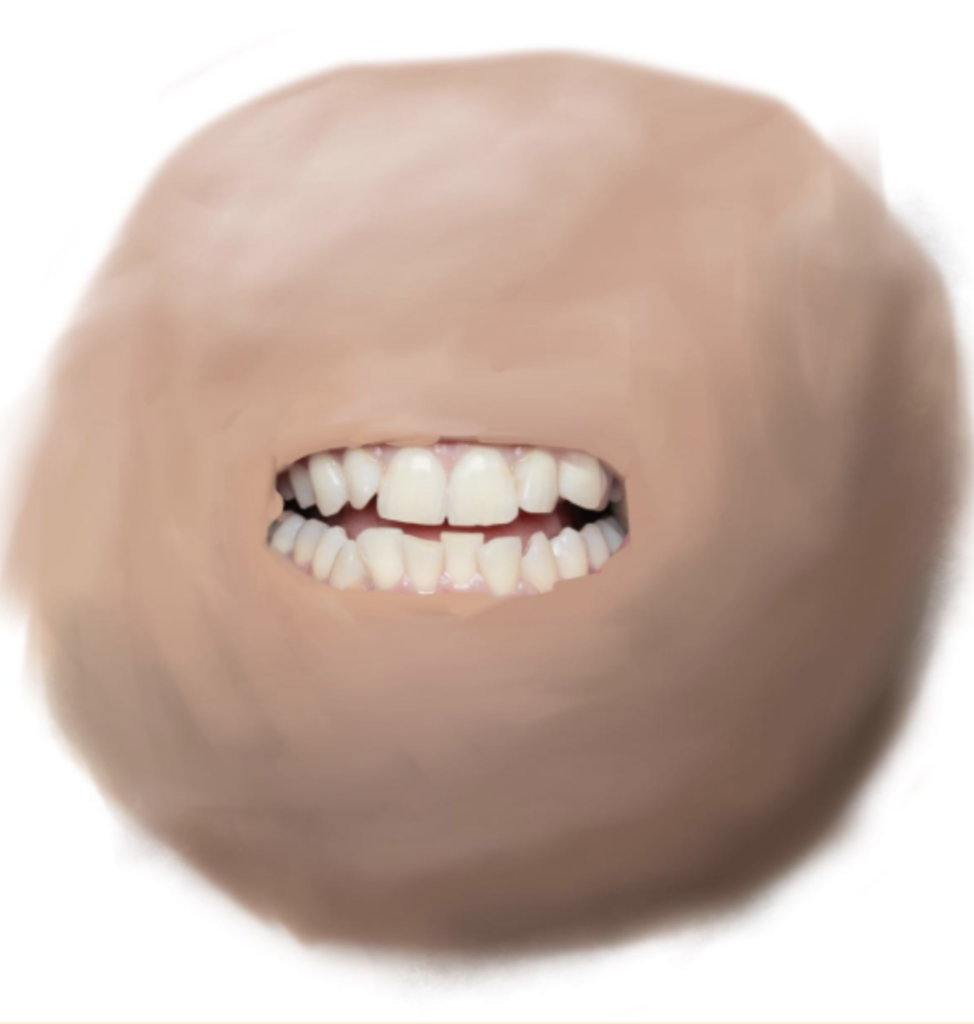
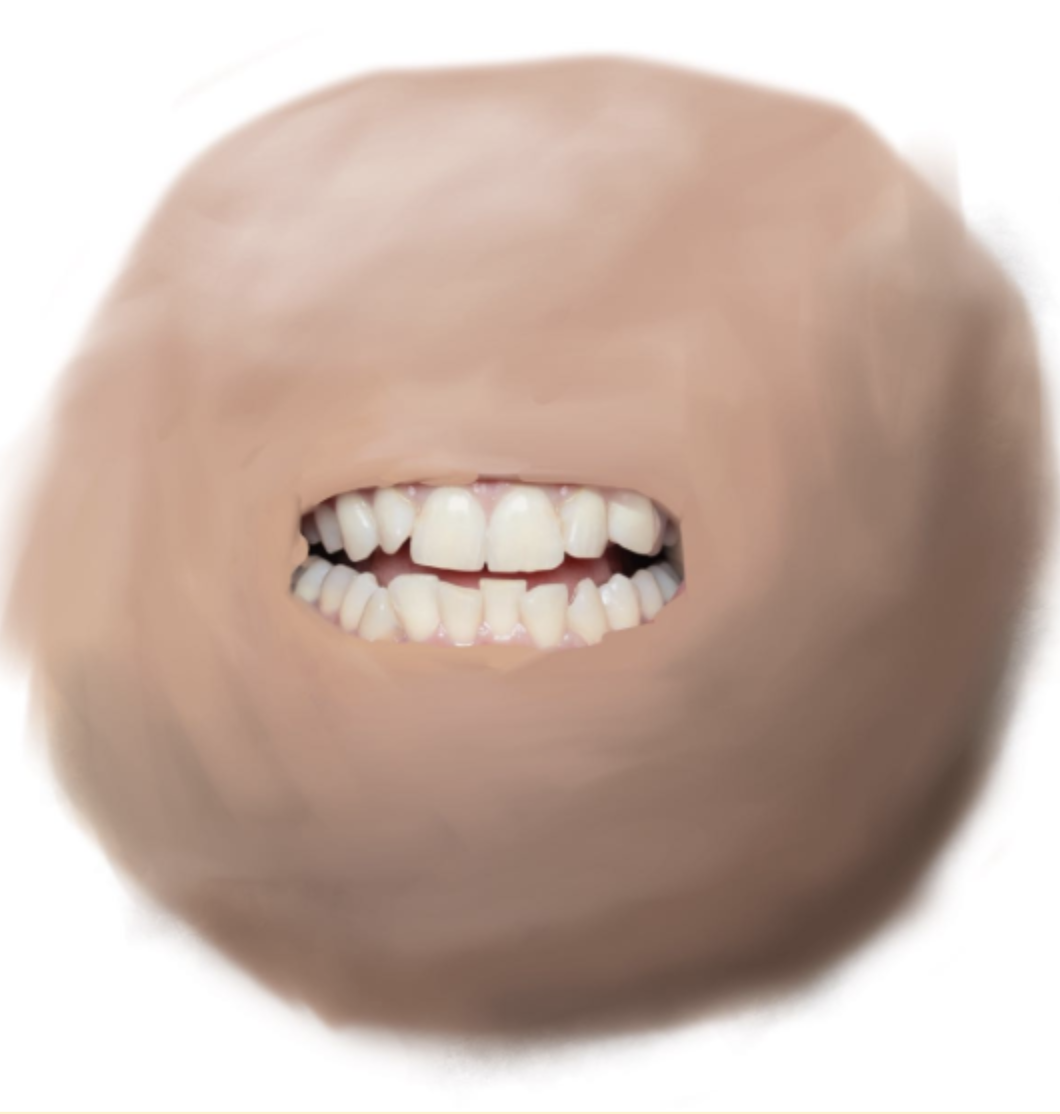
Advanced generative AI rendering of average TU presidential candidate. Graphic by Aiden Hoogstra
While much of this information had already been speculated on, several professors in the Biology department having deduced that, insofar as the fact that the University President is required to be alive, they would have to be made up of cells, as well as intake energy, respirate, be capable of locomotion, react to stimuli, excrete and reproduce (the latter two, according to the majority of those polled, would not require demonstration). Blood, too, had been guessed at by many, but the existence of skin and teeth are very exciting new pieces of information.
According to data science graduate student Joseph Normand, the presence of teeth effectively rules out the possibility of a centenarian. “It’s not impossible, and to be frank, they could be using a loophole if the president legally possesses dentures made of human teeth,” Normand explained, “but statistically speaking, the quantity of people over 100 with biological teeth is negligible.” Babies, on the other hand, cannot be ruled out until the board reveals whether or not the teeth of the president will have emerged from the gums. Additionally, skin and teeth, confirms that the new president will be some type of fauna which is not a bird, and most likely not a fish.
The rest of the board’s email contained mainly rephrasings of the above passage and several endorsements for Oracle and Palantir products. In addition, some trivial information, redundant in nature, was disseminated: the final paragraph of the board’s statement contained almost entirely obvious facts, like that TU’s next president will be a man, and that he will be Caucasian.