Opinions on campus are mixed after shocking revelation.
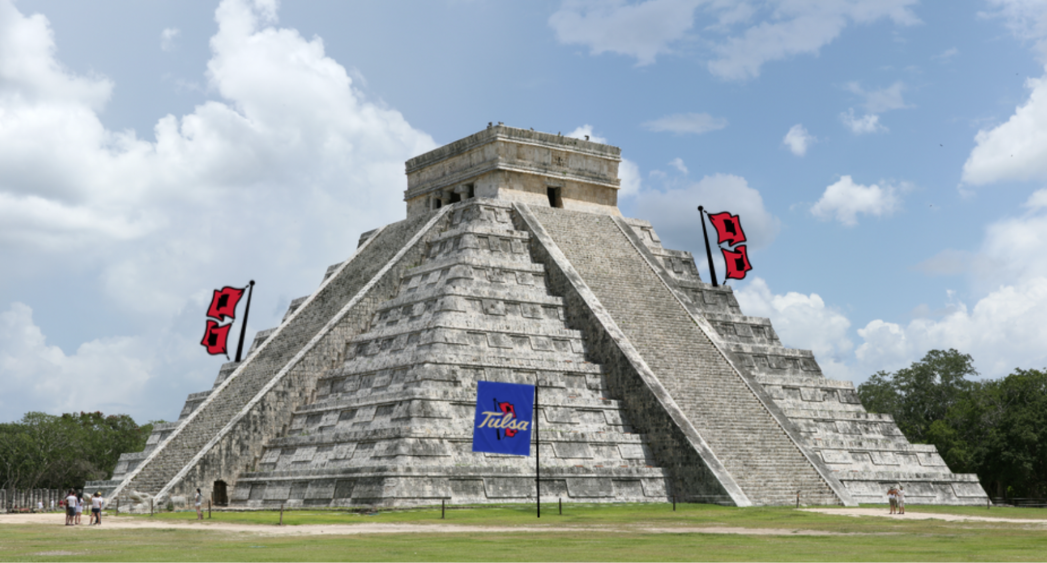
This summer, after centuries of searching, the immortal conquistador and the University of Tulsa’s secret founder Jesús Alcaçar de Quesada finally found the fabled “City of Gold” (also known as El Dorado) on his annual expedition to the Andes Mountains. The discovery was made on July 7, though it was not made public until Aug. 26, after de Quesada died of a sudden heart attack. His will dictated that his existence be revealed to the world along with a list of his many accomplishments These include but are not limited to his discovery of the fountain of youth and, obviously, his recent expedition which uncovered El Dorado.
After de Quesada’s monumental discovery, TU immediately began the process of smelting sections of El Dorado to sell through the black market. The university’s intention, according to an anonymous insider, was to raise enough funds to fully cover the tuition of all future students, but they quickly discovered that inflation had rendered that lofty goal unattainable. After much debate, the TU board of trustees decided that the best way to proceed would be to continue with the original plan to sell the lowest amount of gold possible, so as to avoid raising suspicion. As a result, they had to compromise on their plans by implementing a massive, though not yet complete, lowering of tuition for all new undergrads to a new maximum of $25,000 per academic year.
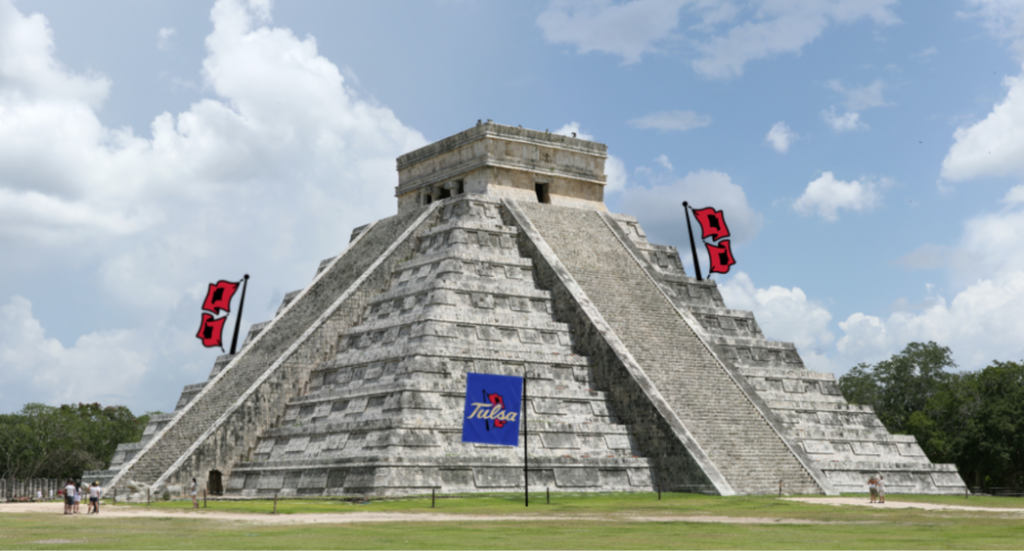
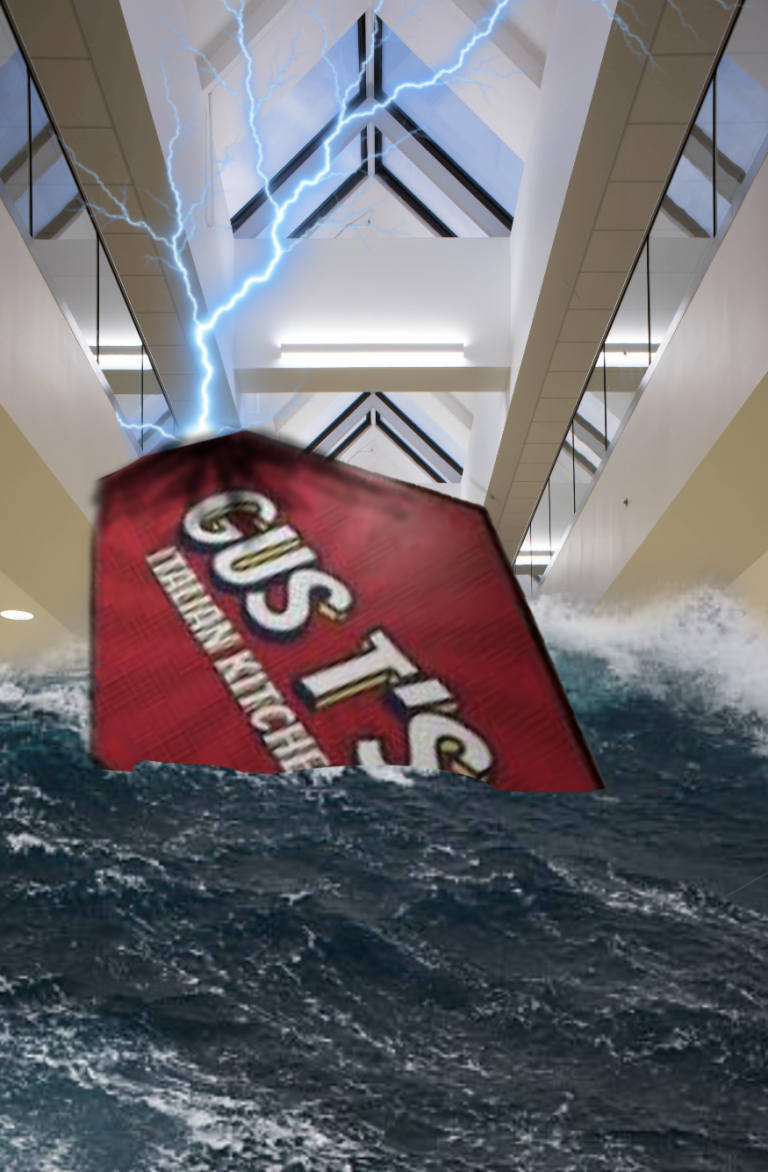
El Dorado, now open for tourism. Adult tickets $99, child tickets $39. Nathan Mister | Collegian
On campus, responses to these revelations have been mixed. One anonymous history student said, “I was at first overjoyed to find out that our school was founded by a Hispanic person like myself, but I’m not sure how I feel about all the lies. What else could they be hiding? Is Goldie just a miniaturized mummy inside a fursuit?” They added, “I’m also worried that the school is whitewashing de Quesada’s history. Given that he was a conquistador, I find the lack of any atrocities on his record to be highly suspicious.”
On the topic of the City of Gold itself, one economics student is vehemently opposed. “A secret like this shouldn’t have been let out,” she said. “Such an immense quantity of gold being public knowledge will devalue all gold, eventually harming TU’s profits as well as the economy as a whole.” She continued, “In addition, the ancient magicks which concealed the city from prying white eyes also served to imprison the evil spirits who forced the original residents out of El Dorado. Now that they’re loose, who knows what havoc will be wreaked. The time of Nibiru is surely at hand.” One TU anthropology professor disagrees strongly, arguing instead that, “The release of this information to the public is one of the greatest things to ever come out of TU. While it’s a travesty that so much of the city has already been lost to smelting, the archaeological evidence we can glean from what remains is invaluable. The book deals alone will more than allow me to finally retire.”
De Quesada’s funeral will be held at the Allen Chapman Student Union on Sept. 5. Afterwards, his open casket will be held for viewing behind the counter of Wild Blue Sushi. In accordance with his will, de Quesada’s remains will then be cremated and used in the crafting of a pox-infested blanket which will be given to Oral Roberts University to celebrate Thanksgiving.