


Hurricane health center overwhelmed with burst-eardrum cases.
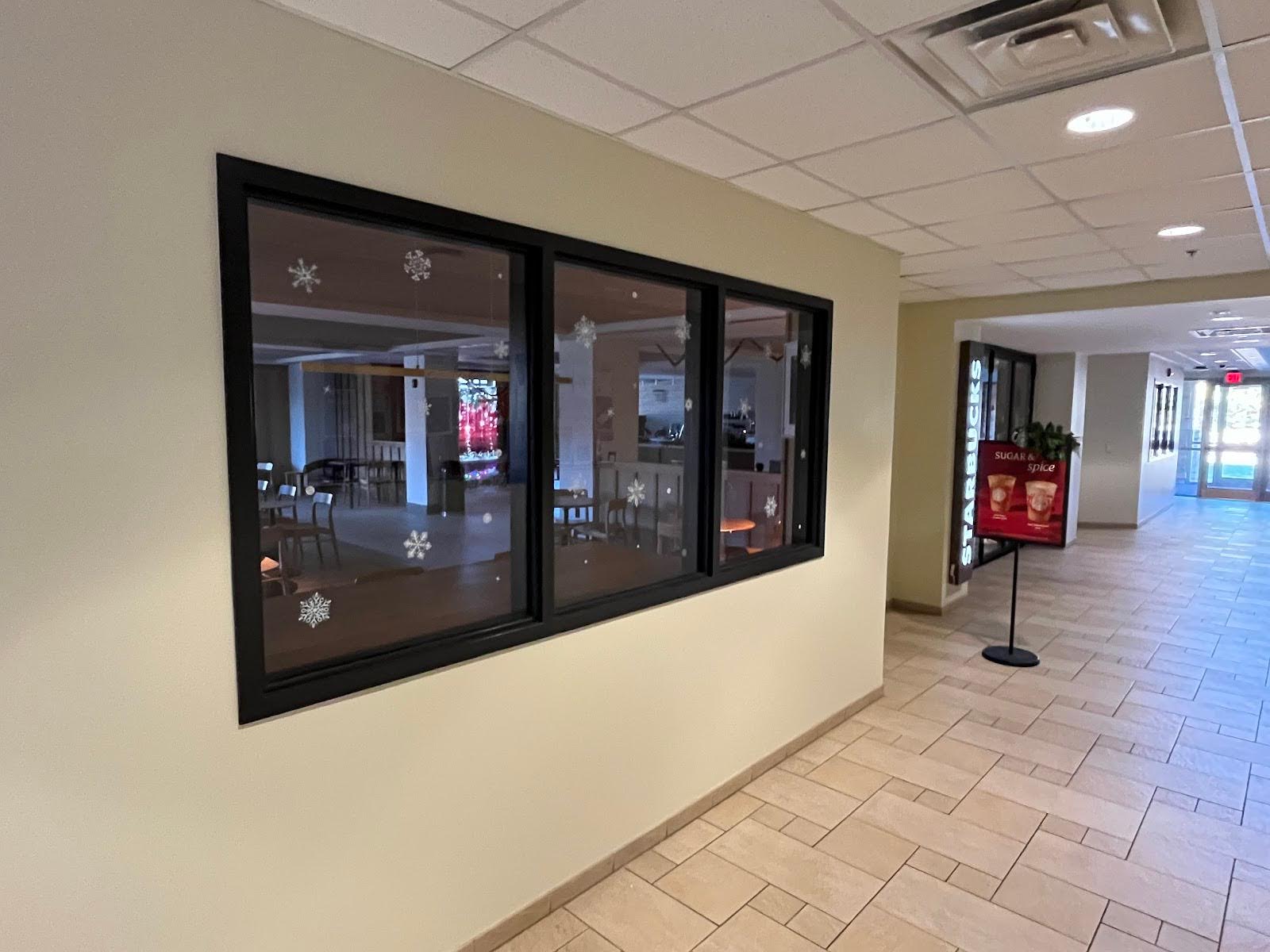
FRIDAY, NOVEMBER 7th, paramedics arrived at the University of Tulsa’s Starbucks franchise in response to a 911 call about a mass deafening event. The call, made at 2:15 p.m., was made by junior economics major Dorian Wheeler as he was walking past the window of the ‘bucks to meet friends in the upstairs study area. As he was walking past the large viewing window, Wheeler reports seeing “some poor fool” pulling a chair out from one of the tables: “it was like a car crash, man, I couldn’t look away. I knew as soon as she grabbed it that she was gonna drag it across that floor, and I was just frozen. I barely got my ears covered in time.” As the chair was pulled from its position, a wall of obnoxious noise like a Keplinger resident’s unclipped fingernails dragging across a chalkboard erupted from the tiles of the cafe. The student who inadvertently caused the event (who will remain anonymous for her own safety) was instantly deafened as the high-decibel wave radiated outwards across the room. Doctors say that she and four other patrons nearby — two students and two randos who had followed Google Maps to the nearest Starbucks — will likely never hear again. Twelve others suffered either burst eardrums or tinnitus as a result of the sound as it shattered the windows of the coffee shop and briefly drowned out the Slavic dubstep remix playing over the PA music system at the time. “It happened so fast,” Wheeler commented. “I saw the chair pull out, and in a split second the window pane in front of me was fractured, everyone inside was yelling and a lot of them were bleeding from their ears.” Paramedics arrived on the scene at 2:43 p.m. and began carrying those with tinnitus, burst eardrums and shock to the Hurricane Health Center. Unfortunately, the health center was closed for its hardworking employees’ four-and-a-half hour lunch break, and upon their return the patients vastly overwhelmed their one appointment per week treatment rate.
As Wheeler contacted the authorities, those inside were left dazed and confused by the sudden and traumatic change of atmosphere. Of those who were not deafened by the blast, feelings of envy were not uncommon as the disjointed Starbucks music continued to jump disjointedly from normal, to weird, to bad and then simultaneously weird and bad songs in their still-functioning ears. One student, Frank Reeves, after suffering only one eardrum burst remembers trying to burst the other with a pen. “I had been going crazy, waiting in that line, wondering if a latte was even worth whatever Kidz Bop CD they had playing there, when suddenly there was this loud screech, and then, in my left ear, silence. The music was gone there, it hurt but in the way resetting a dislocated shoulder hurts — like it would make it better.” After feeling the blood leaking from his ear, Reeves “understood what happened, mostly, and just… I just wanted it to be complete.” In shock, he then began stabbing the left side of his head with a pen he pulled from the backpack of the customer in front of him. Reeves then blacked out, and woke up in the Hurricane Health Center waiting room where he was admitted for treatment four weeks later. However, the music which Reeves and several other survivors recall with such distaste may have actually saved their hearing.
The offensive excuse for sound which is interspersed with the regular McFarlin Starbucks backing track is a safety measure enacted for this very scenario. The floor of the Starbucks, as any veteran of McFarlin library will tell you, is apparently cobbled from some unholy amalgam of earth and sheer noise, which, when scraped, releases in droves the compressed element of sound trapped in its accidents. Knowing this, campus police have allowed the Starbucks to remain open without remodeling only so long as they continue to play music which “reminds [patrons] to be on their guard against major sonic disruption, and… build[s] by exposure some tolerance to high-decibel sonic unpleasantries” per a contract signed in May of last year. The threshold quantities and qualifications for bad songs were determined by a TURC biology and psychology project conducted over the summer after budget cuts made remodeling the floor impossible. Several professors in the Oxley College of Health have now gone on record claiming that several of the cases that day would now be unable to hear if not for their sound tolerances and/or preventative noise cancelling headphones they brought to drown out the dubstep.
As of right now, Starbucks remains open. As the third-highest source of income for the University of Tulsa after tuition and grants from oil corporations, administration has had no choice but to continue letting students buy subpar coffees for eight dollars on a daily basis. However, new signs have been placed on the bulletin boards to encourage students to avoid moving the chairs without carefully picking them up and putting them down. Additionally, the quota for unpleasant melodies has been increased by two songs per hour, in an effort to keep students vigilant. The student who initially caused the event is currently in critical condition at St. John’s Ascension Hospital, where Dean Debbie Chalmers is waiting by her bedside to inform her that her scholarship has been revoked.